Published: 12/04/2025
By Catherine Wu, Global Health Communications Assistant
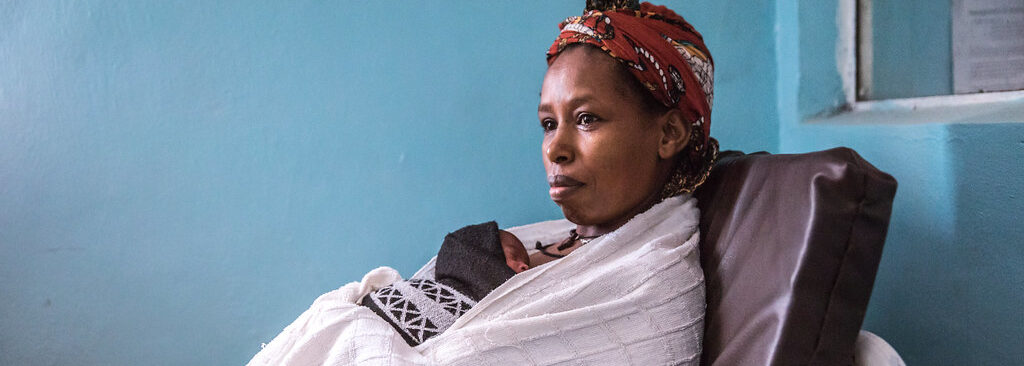
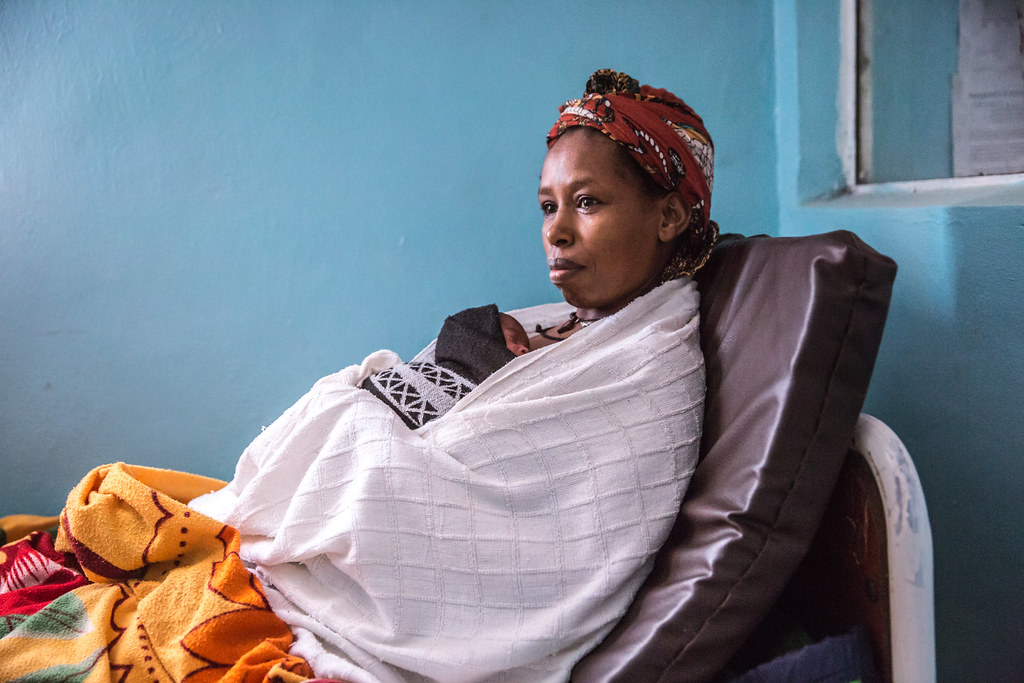
On November 17, World Prematurity Day, the World Health Organization shared the global launch of their new clinical practice guide for Kangaroo Mother Care (KMC). KMC is a method of care for low birth weight and premature infants involving prolonged skin-to-skin contact and breastfeeding. As an intervention, KMC has been shown to improve rates of breastfeeding and survival, reduce complications such as serious infections, and improve the growth of newborns as well as subsequent child development, when practiced by caregivers both in the hospital and at home.
Building upon WHO’s previous global position paper and implementation strategy, this new guide, with an accompanying comment published in The Lancet, “is designed to help health workers support mothers and families in practicing KMC in health facilities at all levels of care and at home, all around the world,” said Gary Darmstadt, associate dean for maternal and child health and professor of neonatal and developmental medicine in the Stanford Department of Pediatrics.
For Darmstadt, who co-moderated the launch and co-chaired the development of the guide, this resource represents the culmination of five years co-chairing WHO’s KMC Working Group in its Strategic and Technical Advisory Group of Experts for Maternal, Newborn, Child and Adolescent Health and Nutrition. The Guide incorporates the latest global evidence and new WHO recommendations, including:
- That KMC be provided for all preterm or low birthweight infants.
- That KMC begin immediately after birth (unless the baby is in shock or not breathing on their own) at health facilities as well as at home for small babies who do not require facility-based care.
Development of the Guide was led by WHO and the KMC Working group, with broad input from additional specialists across high-, middle- and low-income settings with strong, hands-on experience in KMC research, implementation, and advocacy.
In the guide’s foreword, Jeremy Farrar, WHO’s Assistant Director-General of Health Promotion, Disease Prevention and Control, writes: “This Guide embodies WHO’s commitment to stand with health workers everywhere, providing practical tools that save lives and improve outcomes. I hope it will inspire action, empower health teams, strengthen systems of care, and accelerate progress towards a future where no newborn dies from preventable causes and every child, everywhere, has the opportunity to reach their full potential.”